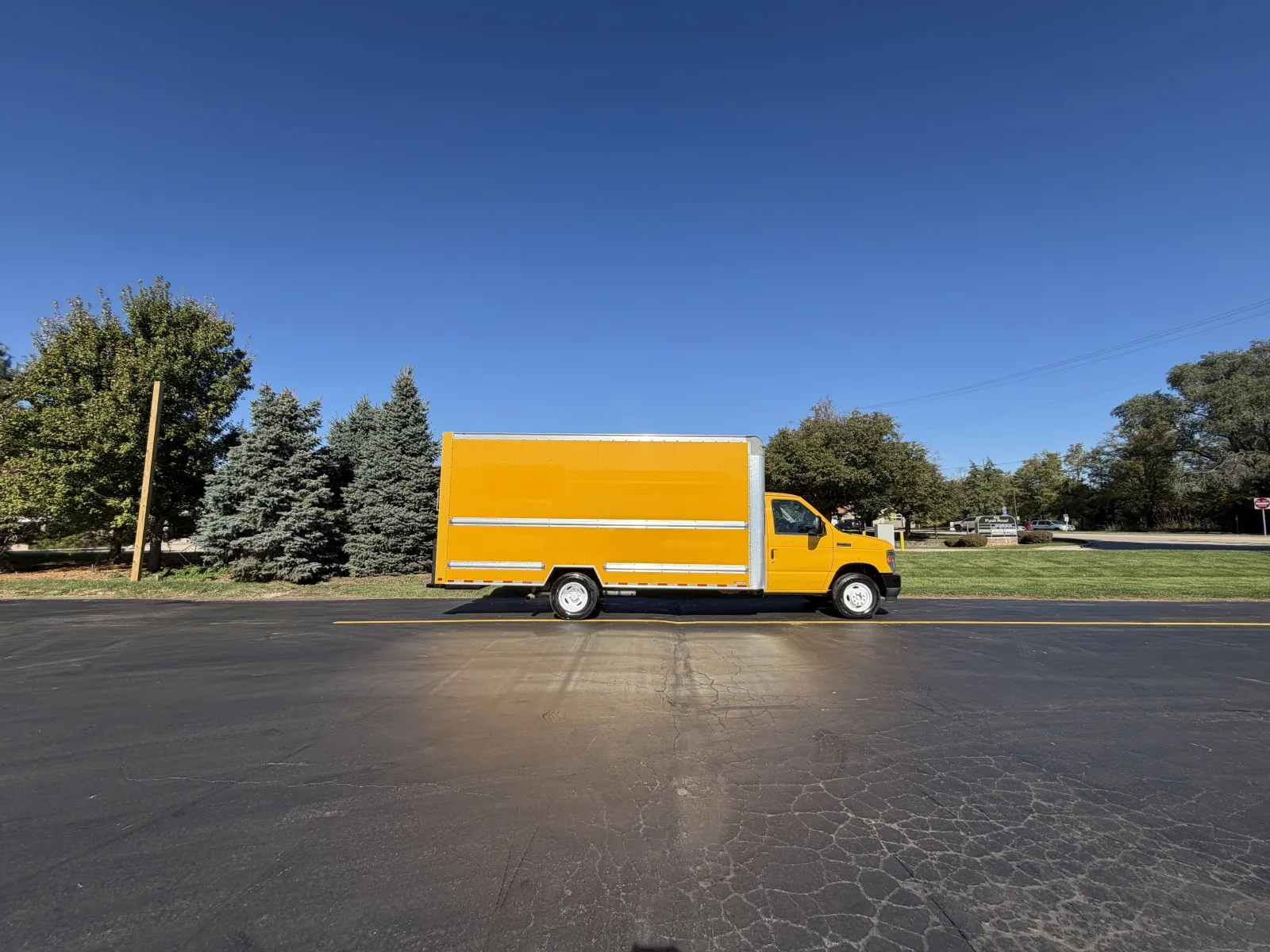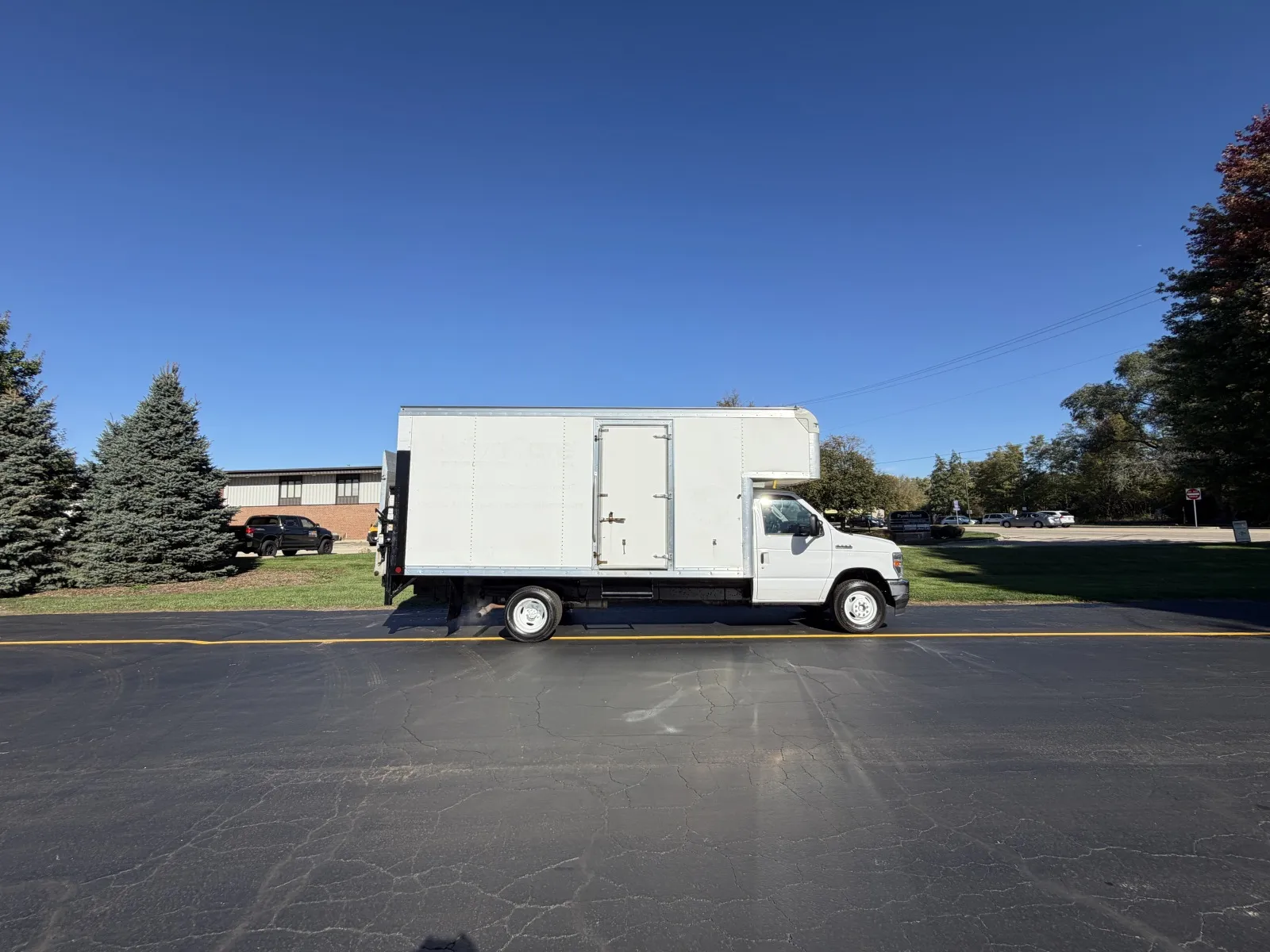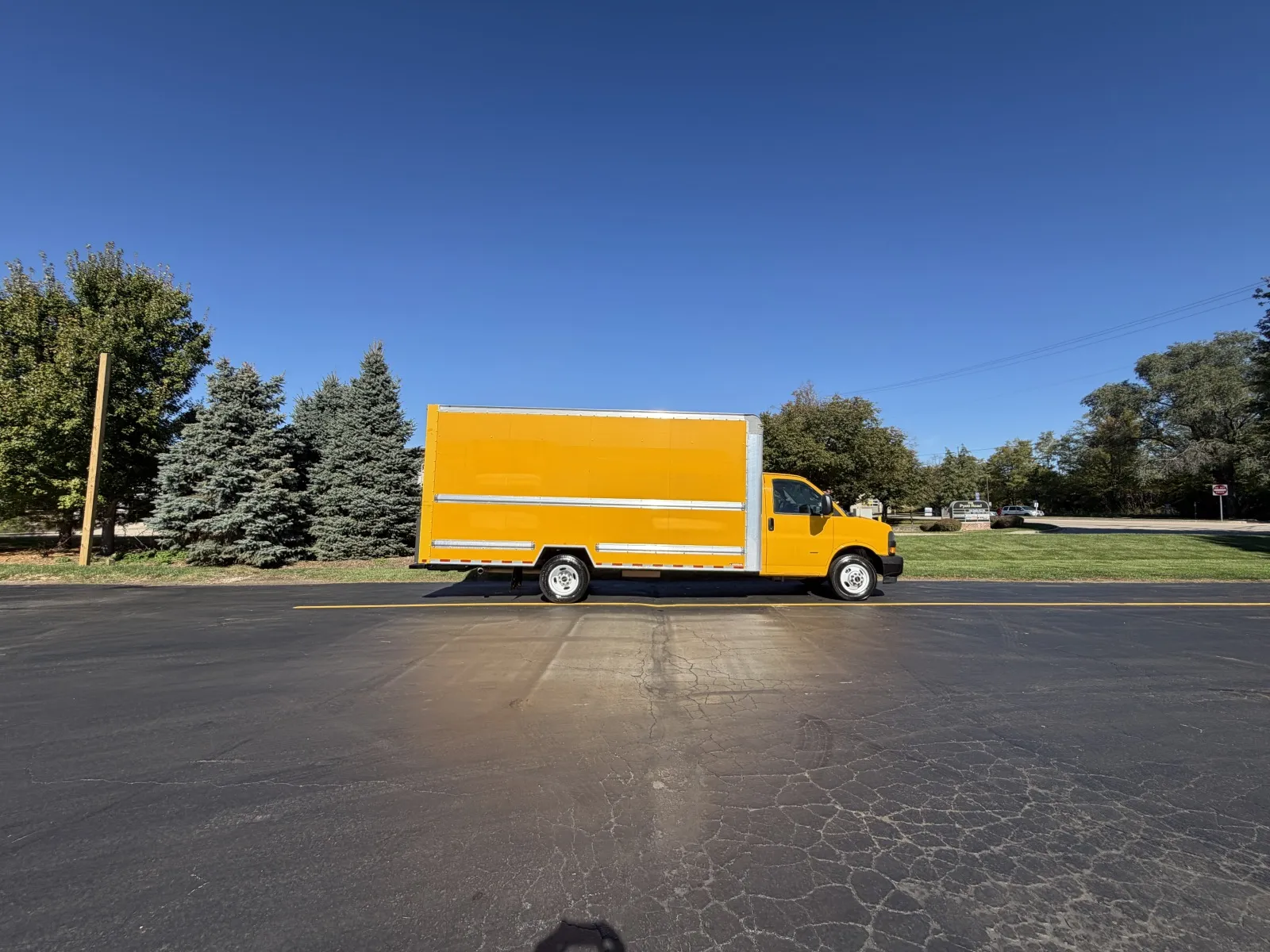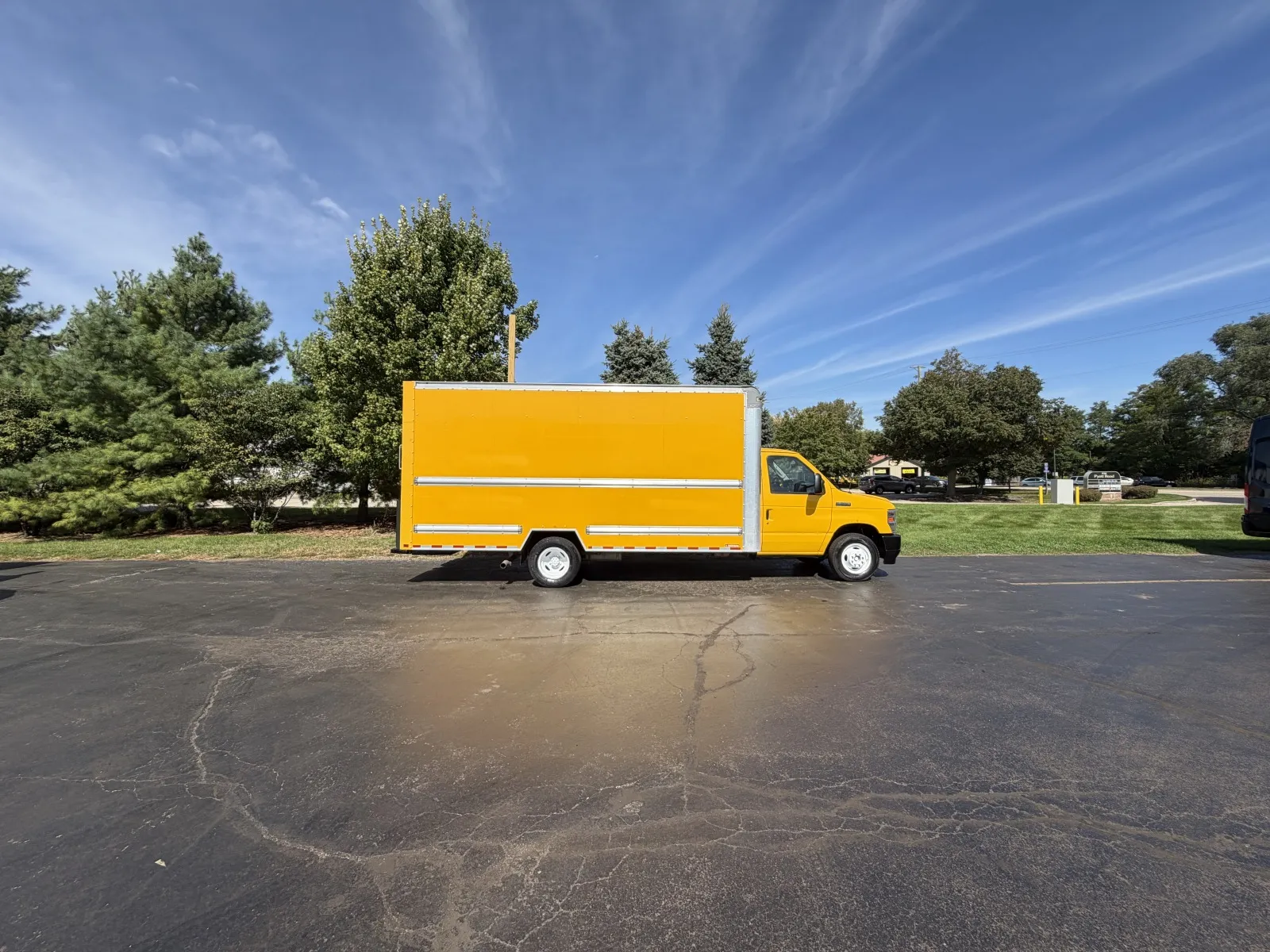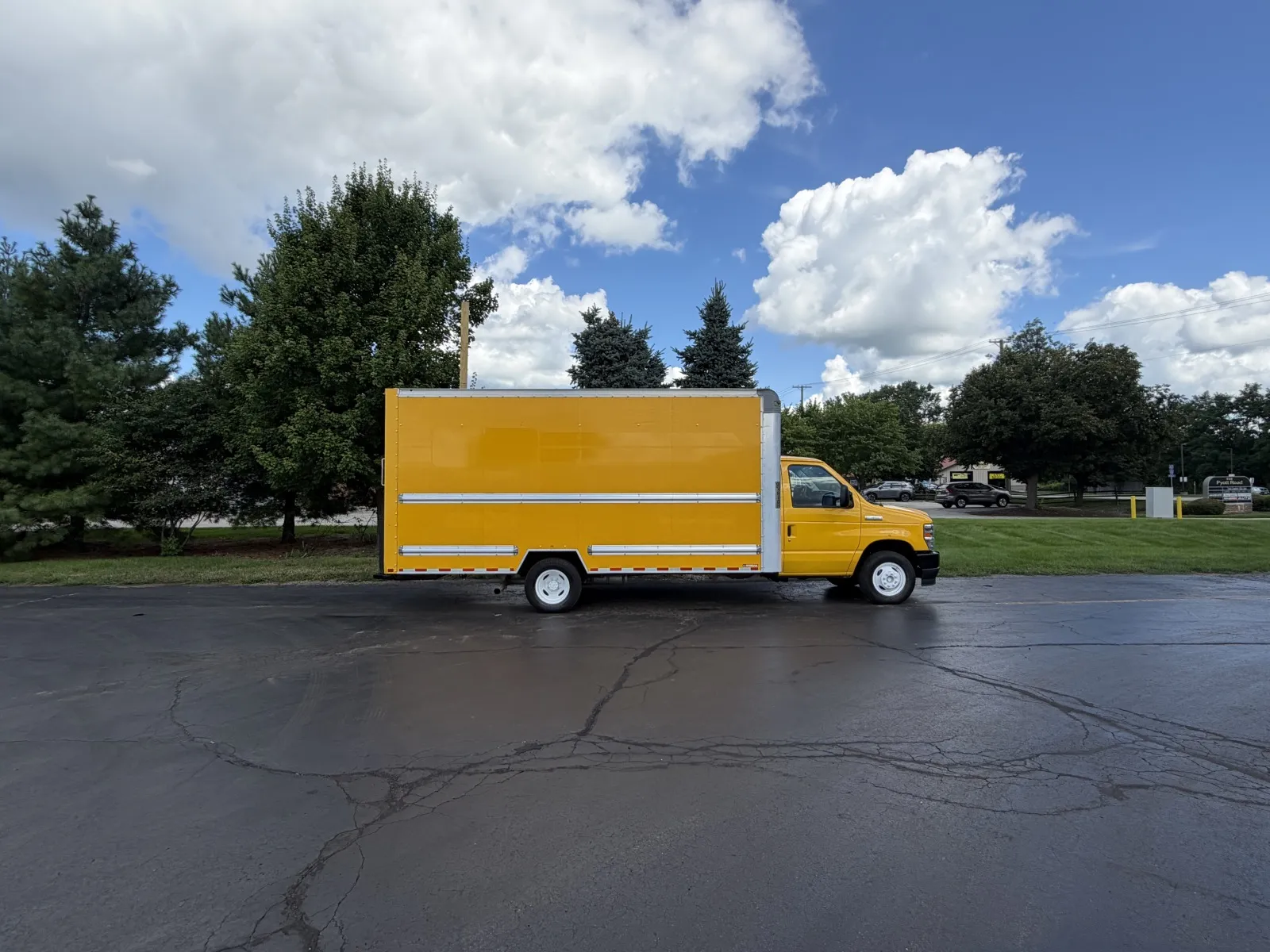
How to Choose the Right Box Truck for Your Business (2026 Buyer’s Guide)

If you’re shopping for a box truck, you’re probably making one of the biggest investments in your business. The right truck can increase efficiency, reduce operating costs, and help your company grow. The wrong one can become a constant expense and headache.
This guide breaks everything down in simple terms so you can confidently choose the right box truck for your needs.
Why Choosing the Right Box Truck Matters
A box truck isn’t just transportation — it’s a revenue-generating asset. The size, engine, and configuration you choose directly impact:
- Fuel costs
- Maintenance expenses
- Driver requirements
- Insurance costs
- How much work you can take on
Many first-time buyers either buy too small and outgrow the truck quickly, or buy too large and pay unnecessary operating costs. The goal is finding the right fit for your business today and where you expect to be in the next 3–5 years.
Step 1: Determine What You’ll Be Hauling
Start with the most important question:
What will your truck carry every day?
Different industries have very different cargo needs.
Common Box Truck Uses
Business TypeTypical Recommended Size
Moving companies
20–26 ft
Furniture & appliance delivery
20–26 ft
Last-mile delivery
16–20 ft
Contractors (HVAC, plumbing, electrical)
12–16 ft
Junk removal
16–20 ft
Pro tip: Always size up slightly if you expect business growth.
Step 2: Understand Box Truck Sizes
Box trucks are usually categorized by box length.
12–16 ft Box Trucks (Light Duty)
Best for:
- Contractors
- Small delivery routes
- Urban driving
- Tight parking situations
Advantages
- Easier to drive and park
- Lower fuel costs
- Often cheaper insurance
Limitations
- Limited cargo capacity
- May outgrow quickly as business expands
18–20 ft Box Trucks (Mid-Size Sweet Spot)
Best for:
- Delivery companies
- Junk removal businesses
- Small moving companies
This is the most popular size because it balances:
- Cargo space
- Operating cost
- Driver comfort
For many businesses, this size offers the best ROI.
24–26 ft Box Trucks (Heavy Duty Movers)
Best for:
- Large moving companies
- Furniture & appliance delivery
- High-volume logistics
Advantages
- Maximum cargo space
- Fewer trips required
- Higher earning potential
Considerations
- Higher fuel and maintenance costs
- Requires more confident drivers
Step 3: Gas vs Diesel — Which Is Better?
This is one of the most common questions buyers ask.
Gas Engines
Best for:
- Short local routes
- Lower annual mileage
- Stop-and-go city driving
Pros
- Lower upfront cost
- Cheaper repairs
- Quieter operation
Diesel Engines
Best for:
- Long routes and highway driving
- Heavy loads
- High annual mileage
Pros
- Better fuel efficiency under load
- Longer engine lifespan
- Higher resale value
Quick rule:
City driving = Gas
High mileage & heavy loads = Diesel
Step 4: Liftgate vs Ramp vs No Lift
Your loading setup dramatically affects efficiency and safety.
Liftgate (Most Recommended)
A hydraulic platform that raises cargo to truck height.
Best for:
- Appliances
- Furniture
- Heavy freight
- Solo operators
Why most businesses choose liftgates:
They reduce injury risk and speed up loading dramatically.
Ramp
A fold-out ramp for wheeled cargo.
Best for:
- Light deliveries
- Boxes and carts
Less expensive but more physical effort.
No Lift (Dock Height Only)
Best for:
- Businesses delivering to warehouses with loading docks.
Step 5: GVWR and Driver Requirements (Important)
GVWR = Gross Vehicle Weight Rating
This determines whether a CDL is required.
Under 26,000 lbs GVWR
- No CDL required in most states
- Larger hiring pool of drivers
- Lower insurance costs
Over 26,000 lbs GVWR
- CDL required
- Higher insurance
- Fewer driver candidates
Most small businesses prefer staying under 26k GVWR.
Step 6: Budget Planning
Typical used box truck pricing range:
Truck SizeTypical Price Range
12–16 ft
$20,000 – $35,000
18–20 ft
$25,000 – $45,000
24–26 ft
$35,000 – $65,000
Buying used often saves tens of thousands compared to new while still providing years of reliable service when properly reconditioned.
Step 7: Think About Growth
Before buying, ask yourself:
- Will I need another truck within 12–24 months?
- Am I planning to hire drivers?
- Will my delivery volume increase?
Choosing the right truck today can prevent needing to upgrade too soon.
Why Buying a Reconditioned Used Truck Makes Sense
A properly reconditioned commercial truck can offer:
- Major cost savings vs new
- Proven reliability
- Immediate availability
- Lower depreciation
At Signature Truck Center, every vehicle goes through extensive reconditioning and servicing so buyers can purchase with confidence.
Final Thoughts
Choosing the right box truck comes down to balancing:
- Cargo needs
- Driving environment
- Budget
- Business growth plans
The best truck isn’t the biggest or the cheapest — it’s the one that fits your business perfectly.
Need Help Choosing the Right Truck?
If you’re unsure which truck is right for your business, our team is happy to help. We work with business owners every day to match them with the right commercial vehicle for their needs and budget.
Browse available inventory or contact Signature Truck Center today to get started.